Why Is My Basement Flooding? Hydrostatic Pressure
When a house is below grade there is a plumbing system around the foundation of the structure, designed to catch ground water before it hits your basement floor. There is something scarier than a ghost in the basement, it's water.
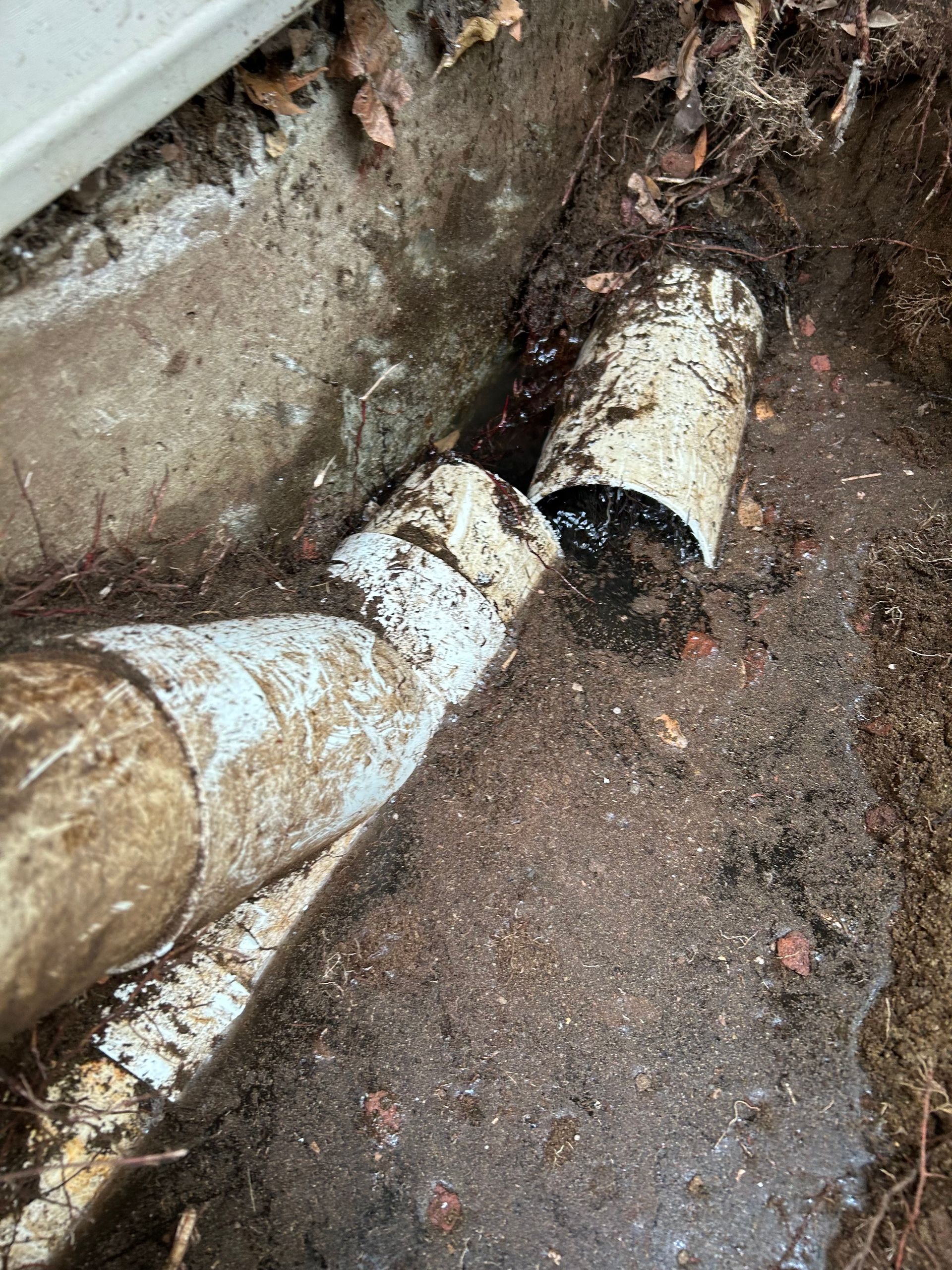
When the exterior pipes are the issue (as opposed to those in the walls), wet or flooding basements are the result of an influx of groundwater including rain, snowmelt, and drain tile (or weeping tile) backup. Any amount of water putting pressure on the foundation for a period of time can lead to cracks.
Factors that can contribute to excess water:
- The grade around the house (sloping pipe leading water to the end of the system )
- Improper roof, gutter or downspouts clearing causing backlog
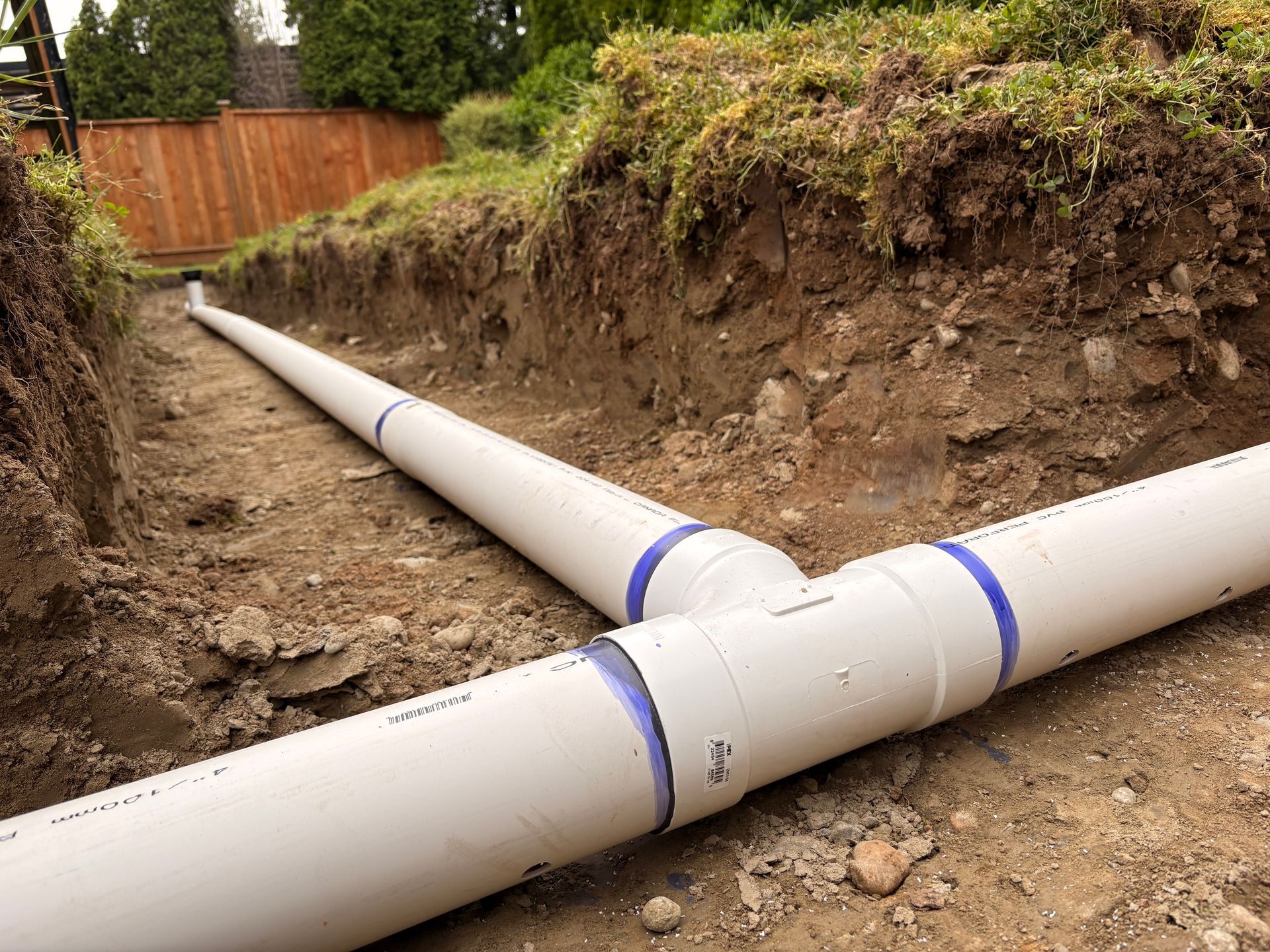
- Insufficient gravel bedding the pipe and surrounding area.
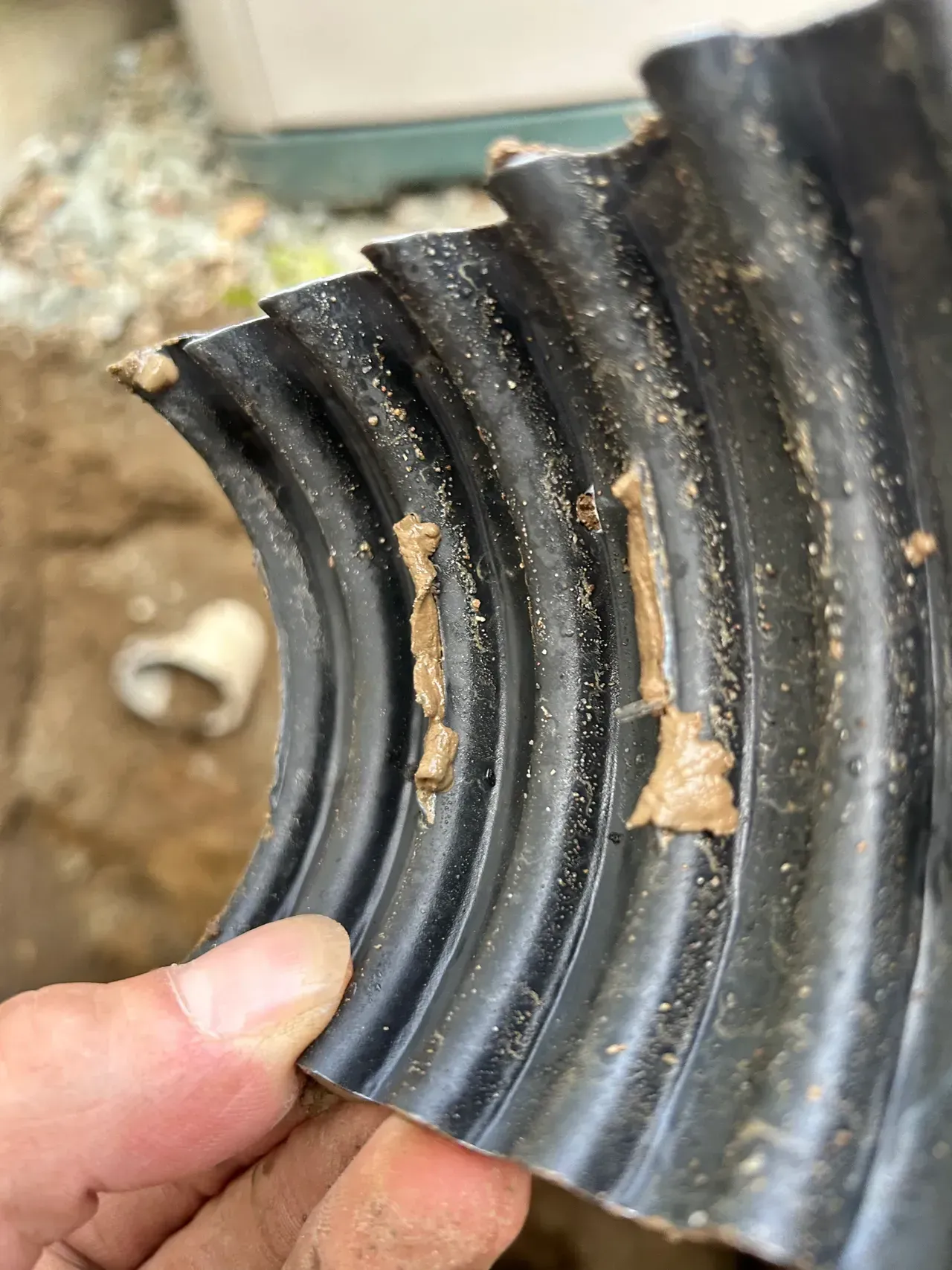
- Sediment filling the perforations of your pipe (pipes are full)
An often unseen problem is soil or clay around the foundation. If water can not seep through to the pipe and exit, it causes hydrostatic pressure where water can push its way through foundation and/or footing. Unfortunately this can go un-noticed until a flood occurs.
When the soil composition becomes too heavy and dense due to too much clay and little gravel to create space, the sediment closes the holes within the perforated pipe, clogging entry to the pipe that drains the system.
We are seeing an influx of properties with dense soil around their property and is causing wetness, pooling and flooding. Often when the foundation was originally dug, the builder (for houses 20 years or older) may not have backfilled with 100% drain rock or gravel which causes groundwater to sit against foundation, block perforations (not allowing water in) and very dirty sediment to build up throughout system causing costly repairs if ignored.
The best solution is dig out the area, remove the heavy soil and replace with 100% gravel for an optimal bedding for the pipe. Your system will then be clear to drain water quickly and keep your property dry.
Want a soil composition test? We're happy to confirm if you're at any risk, just contact us.